

Renovation spending in the U.S. has surged dramatically, with the median amount homeowners spent rising by around 60% since 2015. For those considering a luxury home renovation, the investment goes far beyond surface-level updates. True luxury remodeling creates spaces that feel custom-built around your daily routines, blend premium materials with smart technology, and deliver comfort that lasts for decades.
This guide walks you through the most impactful luxury home upgrades available in 2024–2026, from chef-inspired kitchens and spa-like bathrooms to smart home integration and resort-style outdoor living spaces. Whether you’re reimagining a single room or planning a whole-home transformation, you’ll find practical guidance grounded in current trends and real-world data.
Key Takeaways
- Luxury home renovations focus on personalized design, premium materials, and lifestyle-driven features like spa-like bathrooms, chef’s kitchens, and smart technology integration.
- The most impactful luxury upgrades in 2024–2026 include radiant floor heating, custom storage solutions, a second living room, and dedicated spaces such as home theaters and accessory dwelling units (ADUs).
- Many luxury upgrades-heated floors, spa-like bathrooms, high-end kitchens, and outdoor living areas-can recoup a significant portion of their cost at resale while dramatically improving everyday living.
- Homeowners should prioritize the rooms they use most-kitchen, primary suite, and main living area-before moving on to specialty luxury spaces like wine rooms or wellness suites.
- Thoughtful planning with an experienced luxury remodeler helps keep projects on time, on budget, and aligned with long-term lifestyle needs.
What Makes a Renovation “Luxury” – Not Just Expensive
A luxury home renovation should treat the house as a tailored, integrated system, much like a custom home, rather than a series of disconnected rooms. True luxury isn’t defined by price tags alone-it’s measured in exceptional craftsmanship, customization, and comfort. The difference shows in precision joinery, custom millwork that flows seamlessly between spaces, and materials chosen for both beauty and longevity.
Luxury renovations should address lifestyle-driven layouts to solve daily needs. Better circulation eliminates awkward hallways. More storage space keeps clutter invisible. Quieter interiors come from sound insulation and quality windows. Easier maintenance results from durable surfaces and serviceable mechanical systems. These improvements transform how you experience your home and daily life every single day.
Consider a spa-like bathroom with heated floors that greets you with warmth each morning, or a chef-level kitchen where professional appliances and generous counter space make cooking feel effortless. A second living room designed for entertaining guests offers adults a refined space separate from the family TV area. These aren’t just expensive additions-they’re thoughtful solutions that elevate modern living.
Current renovation trends from 2020–2025 show rising demand for personal wellness spaces, smart homes, and multi-generational layouts. Luxury renovations should balance timeless aesthetics with everyday usability. As you plan upgrades, think in terms of lifestyle goals: relaxation, hosting, working from home, or aging in place. These priorities will guide which investments matter most for your family’s lifestyle and unique needs.
Luxury Kitchens: From Everyday Cooking to Chef-Inspired Entertaining
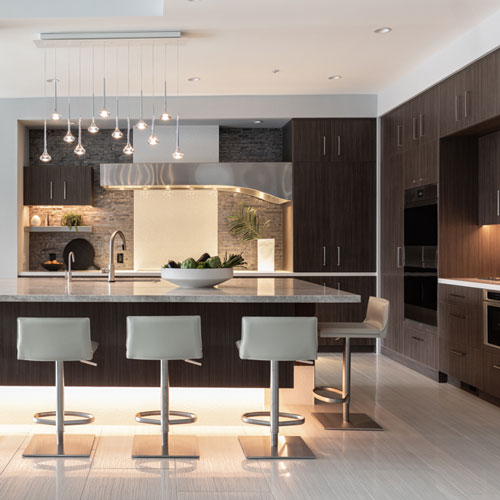
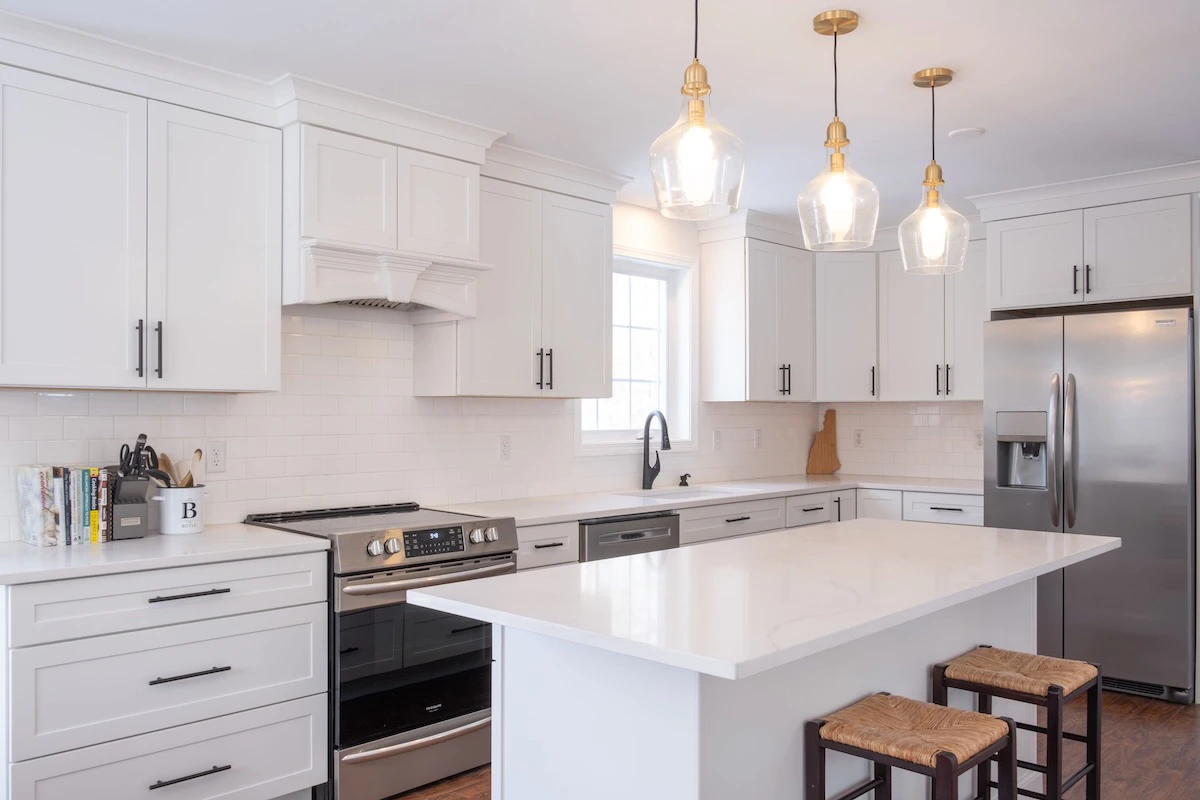
Kitchens remain the anchor of most luxury home renovations and are often the centerpiece of a broader kitchen remodel that delivers strong ROI. According to Zillow’s 2024 Consumer Housing Trends, 57% of buyers said having their preferred kitchen style was “very” or “extremely” important. Minor kitchen remodels consistently recoup 75-113% of their cost, while larger luxury projects return lower percentages but substantially increase both enjoyment and absolute home value.
Layout, natural light, and connection to adjacent living spaces contribute most to a luxury feel. Maximizing natural light in luxury homes can be achieved by installing larger windows or floor-to-ceiling glass doors. Open kitchens linked to great rooms, a second living room, or outdoor areas feel expansive and welcoming. The transition shouldn’t stop at the doorway-continuous flooring and cohesive sight lines make the kitchen feel like the heart of the home.
Kitchen islands serve multiple purposes in luxury kitchens, adding extra counter space, storage, and casual dining while also acting as a statement feature when finished in high-quality materials. For the ultimate luxury, specify premium high-end appliances: 36–48 inch ranges, integrated refrigerators, double ovens, and app-controlled coffee makers.
Custom Cabinetry and Storage Solutions
- Custom cabinetry is a cornerstone of luxury kitchen renovations, allowing homeowners to choose from various materials and styles, including solid wood and intricate detailing
- All wood custom cabinetry in materials like walnut, rift-cut white oak, or painted maple signals luxury in 2024–2026; mixed finishes with a contrasting island add visual interest
- Custom storage solutions include deep drawers for pots, built-in spice pull-outs, appliance garages that hide countertop machines, and integrated trash/recycling compartments
- Walk-in pantries or back kitchens provide additional storage space for bulk items, small appliances, and specialty ingredients
- Soft-close hardware, integrated LED lighting inside cabinets, and picture panel-ready appliances create a seamless, furniture-like aesthetic
- Panel-ready appliances that blend seamlessly into custom cabinetry are a hallmark of luxury kitchen design, minimizing visual clutter and enhancing the overall aesthetic
Premium Countertops, Backsplashes, and Flooring
- High-end countertops made from materials like quartz, granite, marble, and natural stone countertops are essential in luxury kitchens, providing both durability and aesthetic appeal
- Opt for timeless materials that patina well and stand the test of time, such as natural stone, quartzite, exotic hardwoods, and premium metals
- Full-height stone slab backsplashes create dramatic contemporary impact; matching countertop to backsplash ensures visual continuity
- Marble offers unmatched beauty but requires maintenance; quartz provides durability with less upkeep; porcelain slabs deliver versatility with minimal seams
- Hardwood flooring, large-format porcelain tile, or natural stone flooring transitions seamlessly into adjacent living spaces
- Radiant floor heating can be integrated under stone or tile in kitchen areas for underfoot comfort. Electric systems typically cost $8-15 per square foot
Smart Appliances and Integrated Technology
- Wi-Fi ovens track cooking progress, induction cooktops offer precise smart control, and smart refrigerators track inventory through internal cameras
- Incorporating smart appliances, such as touchless faucets and app-controlled devices, enhances the functionality and convenience of luxury kitchens
- Voice-activated controls through smartphone or voice assistant simplify lighting adjustments and climate control. Imagine walking into a perfectly set kitchen
- In-ceiling audio and under-cabinet outlets reduce visual clutter while maintaining full functionality
- Energy-efficient appliances with Energy Star certification support sustainability and reduce long-term energy costs
- Smart features should be planned during renovation for concealed wiring and centralized control
Spa-Like Bathrooms: Everyday Wellness Retreats
Primary bathrooms have evolved from purely functional spaces into full personal wellness spaces. A spa-like bathroom often includes features such as deep soaking tubs, rainfall showers, and heated floors to enhance relaxation and comfort. The goal is to create a private retreat where you begin and end each day feeling restored.
Key visual elements define this luxury: large-format stone or porcelain tiles, frameless glass shower enclosures, layered lighting schemes, and warm natural materials. High-end materials like marble, stone, and custom wood finishes, combined with soft LED lighting, create a luxurious atmosphere in spa-like bathrooms.
A true luxury bathroom renovation rethinks the entire layout for better circulation, storage, and sightlines-not just replacing fixtures. Separate water closets, double vanities, and distinct shower and tub zones create a master bathroom that functions beautifully for daily routines. Where space allows, include both a soaking tub and a generous walk-in shower. Luxury bathroom updates often recoup between 60-80% of their cost at resale, especially in primary suites, and a bathtub remodel that turns the tub into a focal point can be a particularly impactful upgrade.
Soaking Tubs and Walk-In Showers
- Deep freestanding soaking tubs with floor-mounted fillers serve as visual centerpieces in larger primary baths
- Luxury walk-in showers feature dual showerheads, handheld sprays, rainfall fixtures, and optional steam systems for the ultimate luxury experience
- Incorporating features like steam showers, custom tile designs, and built-in storage solutions can transform a standard bathroom into a spa-like retreat
- Built-in niches, benches, and linear drains create clean, spa-like aesthetics with practical everyday function
- Clear frameless glass and thoughtful tile layout make rooms feel larger and more open
- Slip-resistant flooring and proper ventilation balance beauty with safety in wet environments
Heated Floors, Radiant Comfort, and Other Wellness Features
- Radiant floor heating under tile or stone delivers gentle, even warmth-a hallmark of luxury bathroom design
- Programmable controls for heated floors and towel warmers enhance the experience during cooler months
- Additional wellness upgrades include dimmable LED lighting, integrated sound systems, aromatherapy steam units, and high-tech toilets with bidet functions
- Custom storage solutions such as recessed medicine cabinets, custom vanities, vanity towers, and concealed laundry hampers maintain clean sightlines
- Luxury bathroom finishes like brushed brass or polished nickel fixtures elevate the overall aesthetic
High-End Flooring and Radiant Heating Throughout the Home
Flooring choices set the tone for all luxury spaces, balancing beauty, durability, and comfort. Opt for solid, high-grade hardwoods with wider planks or intricate patterns for premium flooring. Current trends favor lighter wood tones, widths of 7–10 inches, and satin or matte finishes that complement both contemporary and traditional interiors.
Top luxury flooring options include wide-plank hardwood, natural stone varieties (limestone, marble, travertine), and premium large-format porcelain tile. Seamless transitions between rooms, using the same flooring or carefully matched thresholds, create cohesive flow throughout the entire home.
Extending radiant floor heating beyond bathrooms into main living areas, entryways, and lower-level spaces transforms comfort. Radiant systems reduce reliance on forced-air heating, creating quieter environments without dust circulation. In well-insulated homes, radiant heating can reduce energy usage by 10-30% annually compared to traditional systems, making it one of several home upgrades that meaningfully add value.
Living Spaces Reimagined: Second Living Rooms, Home Theaters, and More
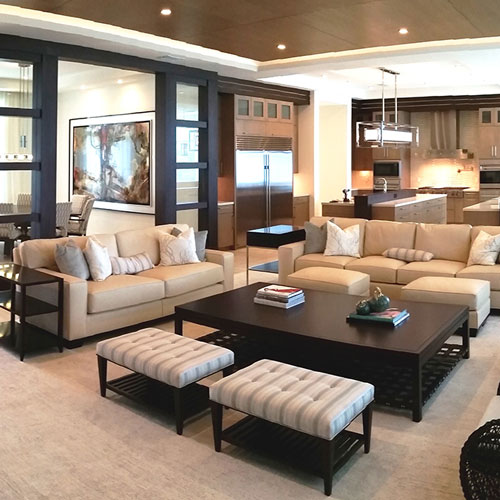
Modern luxury home renovations often focus on creating multiple purpose-driven living spaces rather than relying on just one living room, reflecting broader trends in luxury home upgrades that elevate comfort and lifestyle. A second living room might serve as a media lounge, library-style sitting room, or adult entertaining space separate from a family room.
Dedicated home theaters have become especially popular since 2020 as in-home entertainment expanded. Transforming a basement into a luxury living space can include features like a home theater with plush seating and surround sound, a fully equipped gym, or a custom bar with a billiards area and wine cellar. Investing in basement renovations typically yields a high return on investment, with estimates suggesting that converting a basement into a living area can recover up to 86% of the project cost upon resale.
Finished lower levels and converted attics provide prime locations for luxury basement ideas, basement expansions, offering extra space without expanding the home’s footprint.
Designing a Home Theater or Media Lounge
- Essentials include a large-format display or projection screen, an entire home theater system with surround sound, blackout window treatments, and tiered or reclining seating
- Darker wall colors, sound-absorbing wall panels, and controlled smart lighting systems emulate a cinema environment
- Built-in cabinetry stores media components, snacks, and custom displays for collections
- A small adjacent custom wet bar or kitchenette elevates the entertainment experience
- A luxury basement remodel becomes a dedicated space for movies, gaming, or hosting
Creating Flexible Second Living Rooms and Multi-Purpose Spaces
- A second living room supports entertaining guests, quieter conversation, or adults-only relaxation, separate from family TV areas
- Design features like a fireplace, custom built-ins, statement lighting, and tailored seating define the space
- Multi-purpose rooms shift between guest bedroom, home office, and hobby space with smart furniture like Murphy beds
- Hidden cabinetry, wall units, and closets keep multi-use rooms clutter-free
- These flexible luxury spaces support real family needs, reflect personal style, and add significant value
Luxury Storage: Walk-In Closets, Mudrooms, and Smart Organization
In high-end homes, luxury is closely tied to organization, ease of use, and the feeling of calm that comes from well-planned storage. Custom storage solutions reduce visual clutter and showcase prized possessions, from wardrobe pieces to collections.
Key areas where storage upgrades have an outsized impact include primary walk-in closets, mudrooms, luxury laundry rooms, and built-in cabinetry throughout living spaces. Planning storage early in the renovation process ensures seamless integration into architecture and finishes.
Walk-In Closets and Dressing Rooms
- A well-designed walk-in closet provides convenience and luxury, adding significant value to the home and is a central selling point for potential buyers
- Custom storage solutions and organizational systems maximize space and efficiency in walk-in closets, including built-in shelves, drawers, hanging rods, and shoe racks tailored to meet specific needs
- Design features like mirrored doors, island dressers, and seating areas in walk-in closets add a touch of luxury and create a boutique-like atmosphere, making it easy to showcase and access your wardrobe
- Add a center island with drawers, built-in jewelry organizers, and a countertop for folding
- Full-length mirrors, integrated LED strip lighting, upholstered seating, and refined hardware complete the stylish walk-in experience
- Well-designed closets free up spacious bedroom space and deliver strong perceived value
Mudrooms, Laundry Rooms, and Everyday Storage
- Mudrooms manage daily flow with cubbies, benches, hooks, and concealed cabinetry for shoes, coats, and sports gear
- A luxury laundry room includes side-by-side machines, ample counter space, deep sinks, and dedicated storage for linens
- Durable, easy-clean flooring like porcelain tile, stone, or LVP handles high-traffic utility zones
- Optional extras include a dog washing station, built-in drying racks, and tall cabinets for cleaning supplies
- Cohesive design language, colors, hardware, and materials keep these practical spaces perfectly designed to tie into the rest of the home
Expanding Your Footprint: Accessory Dwelling Units and Additional Living Space
Many luxury renovations now include added square footage: accessory dwelling units (ADUs), finished basements, or guest suites. An accessory dwelling unit is a self-contained living space with its own entry, private en suite bathroom, and kitchenette-ideal for guests, caregivers, or multi-generational living.
Zoning and permitting vary significantly by location, so consulting local professionals before planning an ADU is essential. In many U.S. metros, ADU costs range from $180,000 to $400,000, depending on type and site work. A second primary suite or guest suite provides flexibility for long-term guests or aging parents. Well-designed additions should match the original home’s architecture, materials, rooflines, and the overall property.
Planning an ADU or Guest Suite
- Must-have features include a bedroom or sleeping area, a full bath, a compact kitchen, a comfortable living space, and adequate storage
- Design for privacy with separate entrances and acoustic insulation between the main house and ADU
- Finishes should be durable yet refined, aligning with the main home’s luxury level
- Potential uses extend beyond guests to long-term rental, home office, wellness studio, or caregiver residence
- A luxury basement can serve as an ultimate gathering spot for entertaining, featuring a tasting room and high-end finishes that create a boutique hotel-like atmosphere for guests
Smarter, Greener Luxury: Home Automation and Energy-Efficient Upgrades
Modern luxury home renovations blend high-end materials with smart home integration and sustainable systems that support performance and a home’s aesthetic. Smart home technology has revolutionized modern living by enhancing convenience, energy efficiency, and security in luxury homes. The smart home market is projected to reach $154.4 billion by 2026, with household penetration expected to hit 18.9% by that year.
Core smart features include whole-home lighting control, automated shades, zoned climate control, and integrated smart security luxury systems with cameras and smart locks. These systems work best when planned during renovation, so wiring, sensors, and controls can be concealed and centrally managed, and homeowners can expect a cleaner installation with better coordination across design and function.
Energy-efficient upgrades like high-performance windows, improved insulation, and efficient HVAC systems belong in any luxury remodel. Solar panels and battery storage can be integrated thoughtfully to complement architectural design while reducing long-term energy costs.
Comfort, Convenience, and Security
- Smart lighting systems allow homeowners to control brightness, color, and ambiance through smartphones or voice assistants, creating a tailored atmosphere
- Smart thermostats enable remote temperature adjustments and optimize energy efficiency by allowing homeowners to set schedules and receive personalized tips to reduce energy costs
- Whole-home audio systems allow different music in different living areas without visible speaker clutter
- Smart home security systems provide features such as video doorbells, app-controlled locks, and motion-detecting cameras, enhancing safety and peace of mind
- Plan for future upgrades by running conduit and choosing open, interoperable systems
- Replacing standard fixtures with substantial metals like brushed brass or polished nickel can elevate finishes throughout smart-enabled spaces
Outdoor and Indoor-Outdoor Luxury Living
Luxury renovations increasingly focus on blending indoor-outdoor living with exterior renovations that make the whole property feel more cohesive. The backyard has become a primary focus for homeowners, with outdoor living spaces gaining popularity as places for cooking, dining, and relaxation, especially during the pandemic.
Large sliding or folding glass doors extend the main living area to patios, decks, or covered terraces. Core elements of a resort-style backyard include an outdoor kitchen, dining area, lounge seating, fire feature, and possibly a pool or spa. Weather-appropriate materials-stone, teak, performance fabrics-withstand sun, rain, and temperature changes while maintaining visual appeal.
Outdoor living upgrades support wellness, too. Hot tubs, cold plunges, and yoga decks integrate into landscape design for those seeking a personal wellness space under the open sky, while outdoor features also serve daily routines and provide inspiration to use the space more often.
Outdoor Kitchens, Dining, and Entertainment Zones
- Outdoor kitchens are a key feature in luxury outdoor living spaces, often equipped with high-end appliances, grills, and custom cabinetry to enhance the cooking and dining experience
- Advanced setups include sinks, ice makers, pizza ovens, or side burners for frequent entertaining
- Covered dining areas with fans, heaters, and integrated lighting extend usability across seasons
- Outdoor audio systems, weatherproof televisions, and layered lighting create complete entertainment environments
- Investing in luxury outdoor furniture and fire pits can transform a backyard into a stylish and comfortable retreat, making outdoor spaces usable year-round
- High-end landscaping features, such as water features and exotic plants, can significantly enhance the aesthetic appeal and value of outdoor living spaces
- Continuity with interior design through coordinated finishes and color palettes creates a seamless flow
Planning, Budgeting, and Choosing the Right Luxury Renovation Partner
Successful luxury home renovations depend heavily on careful planning and an experienced team offering professional home remodeling and construction services. Start with a detailed wish list prioritized by lifestyle impact, then match it to a realistic budget range. A luxury home remodeling project often requires collaboration among architect, interior designer, builder, and specialized trades, including AV, millwork, and stone fabrication.
Hiring a dedicated design-build firm can prevent communication gaps by having an experienced team of architects, designers, and contractors work together. Build in a contingency of 10–20% for unforeseen conditions and design refinements. When planning renovations, factor in time for design revisions, permit approvals, and lead times for custom materials.
Incorporating custom architectural details like wall moldings and coffered ceilings adds character and craftsmanship that contribute to exquisite design. Vet renovation partners based on their portfolio of luxury projects, references, communication style, and clarity of contracts, prioritizing firms that provide seamless, high-end remodeling experiences. The right team transforms your vision into your dream home in ways that reflect your priorities and personal style. A final walk-through should confirm every detail before closeout.
FAQs About Luxury Home Renovations
How long does a typical luxury home renovation take?
Timelines vary by scope, but full-home luxury renovations commonly range from 6 to 18 months, including design and permitting. Kitchens and primary bathrooms alone often require 8–16 weeks of construction once plans and materials are finalized. Factor in design time, city approvals, and lead times for custom cabinetry and specialty stone; some high-end materials have 10–20 week lead times.
Which luxury upgrades usually offer the best return on investment?
Chef-inspired kitchens, spa-like primary bathrooms, high-end flooring, and well-designed outdoor living areas consistently deliver strong ROI. Added living space, such as a finished basement, ADU, or second primary suite, significantly enhances both daily function and resale value. Local market conditions should guide decisions, so consulting a real estate professional before major investments is advisable.
Do I need an architect or can I work directly with a contractor?
For structural changes, additions, or complex luxury spaces, an architect or residential designer is usually advisable. Some design-build firms provide in-house architecture and interior design, simplifying coordination and preventing communication gaps. Choose a team experienced specifically with luxury home renovations rather than basic remodeling.
How early should I select materials and finishes for a luxury remodel?
Make key selections-custom cabinets, countertops, flooring, plumbing fixtures, and tile-before construction begins whenever possible, especially for a luxury kitchen remodel. Early decisions, including choosing high quality materials, prevent delays from backorders and allow accurate pricing and scheduling. Some high-end materials in 2025–2026 have lead times of 10–20 weeks, especially custom cabinetry and specialty lighting.
Can I live in my home during a luxury renovation?
It depends on project size. Smaller, phased renovations sometimes allow partial occupancy, while a whole-house home remodel often requires moving out. Staying may save on temporary housing but can add stress and extend timelines. Discuss phasing, safety, and dust-control plans in detail with your renovation team before deciding-protecting the home’s functionality during construction requires careful coordination.