

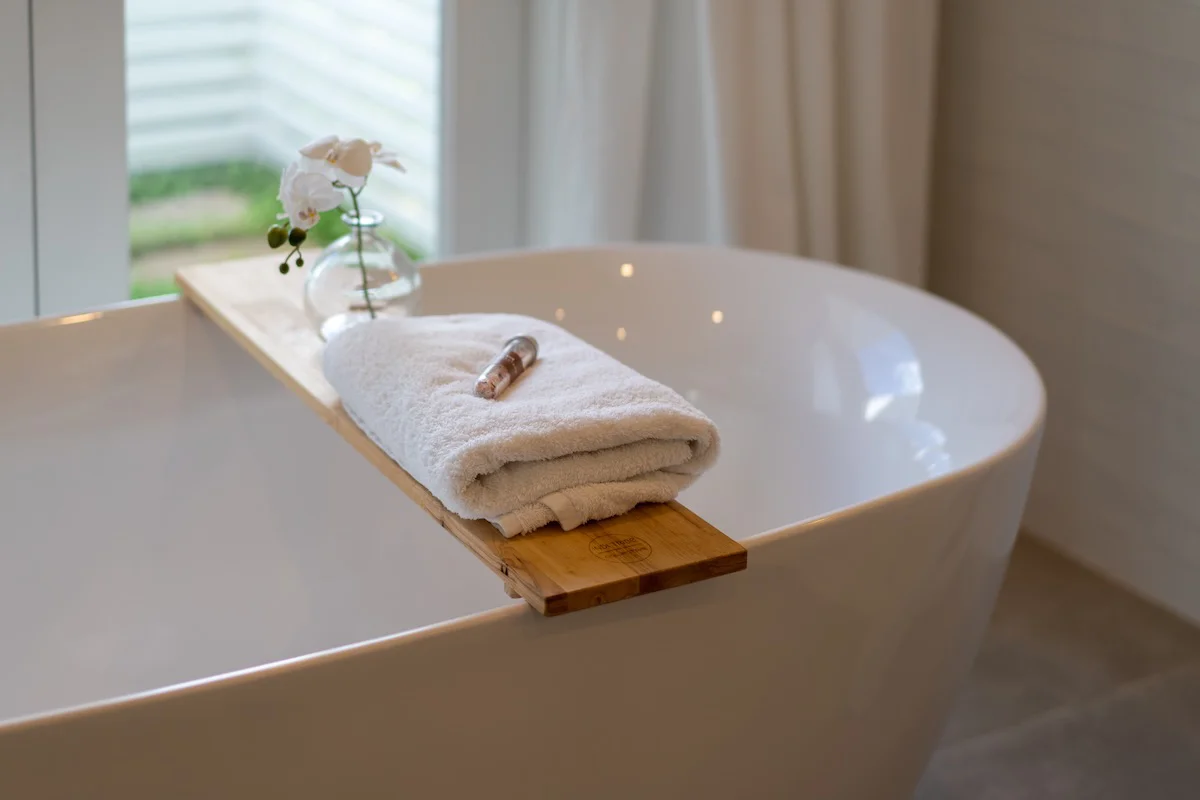
An outdated bathtub drags down the entire bathroom. Whether you’re staring at chipped enamel, fighting recurring mold, or struggling with a step-over height that no longer fits your lifestyle, bathtub remodeling is one of the most direct ways to transform the space without gutting the whole room.
Key Takeaways
Bathtub remodeling covers everything from a quick refinishing coat on your existing tub to a complete bathtub replacement or shower installation. It is often the fastest path to making an old bathroom feel like a new bathroom, and it lets you control cost and disruption far better than a full gut remodel.
Popular project types in 2026 include tub-to-shower conversions for modern accessibility, walk-in showers or walk-in tubs for aging in place, and deep soaking or freestanding tubs for a spa-like retreat that supports relaxation and gives you room to unwind. Each carries different plumbing needs, timelines, and budget implications.
Here is a quick comparison of the three main directions:
| Option | Rough 2026 Cost | Typical Timeline |
|---|---|---|
| Refinish / reglaze | $335-$630 | 1-2 days |
| Full tub replacement | $2,100-$9,730 | 1-5 days |
| Tub-to-shower conversion | $3,000-$12,000+ | 3 days-2 weeks |
Hiring professional bathroom remodeling services usually results in better waterproofing, proper permits, and stronger warranties than DIY – critical around tubs and showers where leaks cause the most damage. Before you finalize tile, fixtures, or layout decisions, schedule a free consultation or request a free quote to avoid costly mid-project changes.
What Is Bathtub Remodeling and When Is It Worth It?
Bathtub remodeling is a focused type of bathroom renovation that updates your tub area – surface, fixtures, or the whole unit – without necessarily redoing the entire room. Think of it as the difference between renovating one wall of your house versus rebuilding it from the foundation up.
Common scopes include cosmetic updates like recaulking and refinishing, partial remodels involving a new tub with wall surrounds and new fixtures, and full wet-area remodels that touch plumbing, waterproofing, and sometimes the bathroom layout itself.
A bathtub remodel is worth it when you’re dealing with a 1980s almond-colored tub that dates the whole space, stained or chipped enamel beyond spot-repair, recurring mold around caulk lines, a difficult step-over height for seniors, an inconvenient daily bathing setup, or simply prepping a house for sale to appeal to more buyers. According to Zillow’s research, a mid-range bathroom remodel yields roughly 80% ROI – and the tub area is often where homeowners extract the most value. Many start with the tub first to manage budget and disruption, then expand to vanity, toilet, and flooring later, especially in properties where resale is part of the equation.
Deciding Between Refinishing, Bathtub Replacement, or Walk-In Shower Conversion
Choosing the right path depends on your goals, the condition of your current tub, and how much you’re willing to invest. Here’s basically how the three main options stack up.
Refinishing works best when your tub is structurally sound but looks tired – scratched, dull, or stained. A professional strips, primes, and applies a new coating that can last several more years. In 2026, expect to pay $335-$630 on average, with the process wrapping up in one to two days. It is the clearest way to save money while giving your previous bathroom a whole new look.
Full bathtub replacement makes sense when the shell is cracked, leaking, or the dimensions no longer suit the household – perhaps you want a deeper soaking tub or a modern freestanding unit. The national average sits around $5,900, with a typical range of $2,100 to $9,730 depending on materials, new plumbing requirements, and complexity, but the outcome is a new bathtub built for how the space is actually used.
Tub-to-shower conversion is the fastest-growing category in shower remodeling, especially for homeowners who want to get rid of a bulky old tub and install a low-threshold or curbless new shower with glass doors. Costs often mirror or exceed full replacement when custom tile and accessibility features are involved, but the result is a spacious, modern wet area.
Quick decision checklist: What is your budget ceiling? Do household members have mobility concerns? Are you remodeling for resale or personal comfort, and what buyers might be interested later? Can you keep the existing drain location? Answering these four questions narrows the field before you ever call contractors.
Planning Your Bathtub Remodel: Budget, Timeline, and Scope
Clear planning at the planning stage prevents the two biggest headaches in any remodel: mid-project surprises and change orders, and any early sign that hidden plumbing, framing, or subfloor issues may expand the scope should be addressed before demo day. Define your scope, set a realistic budget, and lock down a timeline before demo day.
Cost ranges vary widely by scope. A simple acrylic tub swap with a prefabricated surround can start near $2,100, while a custom tiled shower with a recessed niche and frameless glass door can push past $10,000. Labor typically accounts for 40-60% of the total cost, with quality materials making up the rest.
Timelines are equally variable:
- One-day acrylic tub or shower installation for straightforward swaps
- 3-5 days for a mid-range alcove bathtub replacement with new wall surrounds and fixtures, though more custom work can stretch the project closer to a week
- 1-2 weeks for custom tiling, plumbing adjustments, or layout changes
Define the scope in writing: are you touching just the tub and surround, or does the project include flooring, a new vanity, toilet, and lighting? In a small bathroom, those layout choices matter even more. Partnering with experienced residential remodeling services helps you balance layout, aesthetics, and budget. Each step up impacts both cost and schedule.
Finally, build a 10-20% contingency into every budget. Homes built before 1990 frequently hide water damage, outdated plumbing, or mold behind old tubs – problems you can’t see until demolition begins, which is why many homeowners prioritize home upgrades that add value when planning projects.
Bathtub Styles and Materials: Choosing the Right Replacement
The style and material you choose for a bathtub replacement directly affect comfort, maintenance, and how the new bathroom feels day to day, and the brand you choose can also affect fit and long-term performance. Getting this decision right is worth the research, especially if your tub update is part of broader luxury home renovations elsewhere in the house.
Common configurations:
- 60-inch alcove tubs – the standard for most baths, fitting between three walls
- Drop-in tubs – set into a deck or platform, offering a built-in look
- Corner tubs – ideal for maximizing a tight layout
- Walk-in tubs – designed for aging-in-place with built-in seating, grab bars, and low thresholds
- Freestanding soaking tubs – a dramatic focal point in larger bathrooms
Material comparison:
| Material | Weight (empty) | Lifespan | Relative Cost |
|---|---|---|---|
| Acrylic | 50-100 lbs | 15-20 years | Low-Mid |
| Fiberglass | 60-80 lbs | 10-15 years | Low |
| Enameled steel | 75-150 lbs | 15-25 years | Mid |
| Cast iron | 300-500 lbs | 50+ years | High |
| Solid-surface composite | Varies | 25+ years | Premium |
Cast iron is exceptionally durable and offers a durable surface, but may require structural reinforcement on upper floors. Acrylic remains the most popular for its light weight, warm-to-the-touch surface, and ease of repair – a functional choice for most homeowners.
Pair your new tub with practical add-ons: slip-resistant bottoms, integrated shelving, overflow depth options, and compatible shower doors or curtain rods for a combined shower installation.
Designing the Surround: Walls, Storage, and Shower Integration
The tub surround and shower wall area dominate the visual impact of your bathroom. They’re also the first line of defense against leaks, so material selection and waterproofing must go hand in hand with design choices, especially for homeowners who favor simpler surrounds or integrated shower layouts.
One-piece acrylic or composite surrounds install quickly – often in a single day – and have no grout lines to maintain. They work well for a streamlined design on a modest budget. Custom tile surrounds offer far more style possibilities, from large-format porcelain to marble-look panels, but they require proper waterproofing membranes behind the tiling and regular grout maintenance to prevent mold.
Plan built-in niches, corner shelves, and grab-bar blocking at the design stage. Retrofitting these after the wall is finished means tearing into new work and spending extra money.
When integrating a shower into the tub area, decide between a combined tub-shower setup and a separate walk-in shower. A nearby window can also make the space feel brighter and more open. Framed glass doors suit tighter spaces and smaller budgets; frameless glass feels more spacious and modern. Curved shower rods add a few inches of elbow room in an alcove without any structural changes.
Popular 2026 trends include matte black or brushed brass fixtures, neutral large-format tile, and mixed-material accents. Working with a team like Red Rock Construction and Home Remodeling can help you choose details that feel current without dating quickly. Keeping the main elements timeless delivers the most value at resale while still letting you layer in accessories that reflect your personal style.
Working with Professional Bathroom Remodeling Services vs. DIY
Some bathtub remodeling tasks are genuinely DIY-friendly – recaulking seams, swapping a showerhead, or replacing a trim kit. For smaller fixes, reliable handyman repairs in St. George can bridge the gap between DIY and full remodels. But many DIYers get stuck once a project moves beyond simple cosmetic swaps, so most full replacements, tub-to-shower conversions, and shower remodeling projects benefit from licensed professionals.
DIY-safe tasks:
- Recaulking joints
- Installing new accessories (towel bars, soap dishes)
- Replacing a showerhead or faucet trim
Hire a professional for:
- Moving drains or supply lines (new plumbing)
- Installing new valves and waterproofing surrounds
- Structural inspection and subfloor repair
- Precision-fit wall systems and glass enclosures
Reputable bathroom remodeling services handle permits from local building authorities, inspections, demolition, and disposal of your old tub. They also make sure replacement systems are installed correctly and that everything meets current plumbing and building codes – a level of accountability you don’t get with weekend DIY.
Warranties matter. Labor and product warranties on a custom shower installation, walk-in tub, or wall system can save thousands if something fails. DIY work frequently voids manufacturer coverage.
Ask every contractor about project timelines, dust control, daily cleanup, and whether they specialize in one-day systems or full custom tile work. Learning more about Red Rock Construction and Remodel can also give you insight into experience, values, and communication style. Match their expertise to your project scope.
Bathtub Remodel Process: Step-by-Step from Old Tub to New
Understanding the process from first call to final walkthrough removes most of the anxiety around a bathtub remodeling project.
1. Initial consultation: A contractor measures the existing tub alcove, discusses your goals – safety, style, resale – reviews photo references or inspiration ideas, and provides preliminary pricing. Many companies offer a free quote at this stage, often letting homeowners request it by phone or through a contact form, sometimes with 3D renderings so you can visualize the finished room.
2. Pre-construction: You finalize material selections: tub or shower base, wall panels or tile, fixtures, and accessories. A written contract locks in scope, cost, and schedule. Permit applications go out if required, and materials are ordered with enough lead time to keep the install date on track.
3. Installation: The crew protects your flooring and adjacent spaces, drains and removes the old tub, then inspects studs and subfloor for hidden water damage, since an older unit can be dangerous if it has become unstable during removal. Plumbing valves and drains are updated or relocated as needed. The new tub or shower base is set, leveled, and secured.
4. Finishing work: Wall surrounds or tile go up, joints and corners are sealed, and faucets, showerheads, and any built-in accessories are fitted. The crew tests every connection for leaks, cleans the site, and walks you through care instructions and warranty coverage before handing over the complete space.
Cost-Saving Tips Without Sacrificing Quality
Smart choices in 2026 can trim your bathtub and shower remodeling budget without compromising durability or safety.
Keep the existing plumbing layout. Retaining the current drain location and supply lines avoids the most expensive line item on most bids – pipe relocation often adds $1,000–$3,000 in labor alone.
Choose mid-range materials strategically. An acrylic tub or shower pan paired with moderately priced fixtures looks great and lasts. Reserve premium spending for high-visibility accents like a standout faucet or a single band of accent tile rather than covering every wall in marble.
Mix prefab and custom elements. A prefabricated tub or shower base with a partially tiled surround delivers a polished result at a fraction of fully custom pricing. Standard 60-inch dimensions also eliminate the upcharge that comes with custom-sized units.
Time your project wisely. Late fall and winter are traditionally slower seasons for contractors, which can mean faster scheduling and better pricing. Ask about current promotions or financing options, and bundle related tasks – replacing the tub, updating the vanity, and adding new flooring in one visit – to create efficiency savings.
Safety, Accessibility, and Code Considerations
Bathtub remodeling isn’t just about appearance. It’s an opportunity to improve safety, access, and code compliance – especially in multi-generational homes where daily life demands a more functional bathroom, and in homes with two bathrooms that need to work better for families, guests, or aging relatives.
Accessibility upgrades to consider:
- Converting a high-step tub to a low-threshold or curbless walk-in shower
- Adding grab bars anchored into wall studs (not just drywall)
- Using slip-resistant tub or shower floors
- Installing handheld showerheads on adjustable slide bars
- Including built-in seating or a fold-down bench
Code-related items your contractor should address include proper venting, GFCI-protected electrical outlets near the tub or shower area, mandatory clearances around fixtures, and adequate ventilation fan capacity measured in CFM.
When a bathtub remodel is part of a broader bathroom remodeling plan for aging in place, also consider comfort-height toilets, wider doorways, and lever-style faucet handles. These changes turn a simple tub project into a long-term investment in independence.
Ask your remodeling team specifically how they handle waterproofing membranes behind surrounds, strategies to prevent mold in grout joints and corners, and, as mentioned earlier with concerns about heavy tubs and hidden issues, safe structural support for heavy tubs like cast iron – where a filled tub with an occupant can exceed 800 pounds.
Bringing It All Together: Turning a Tub Project into a New Bathroom
A well-planned bathtub remodel can anchor a complete bathroom update, improving daily comfort, safety, and resale value in one focused project. The right tub can also broaden appeal when buyers compare homes. Even if your budget doesn’t allow for everything at once, the tub and shower area is the right place to start – it’s what you see and use first every day.
Think in phases if needed. Replace the tub or install a new shower now, then update the vanity, flooring, and lighting later. Choose finishes and materials that will coordinate with future upgrades so the room grows cohesively rather than looking patched together, especially if you’re preparing to sell within the next few years. A durable, neutral tub surround paired with modern fixtures gives you possibilities to layer in bolder accessories down the road.
Clear goals – whether that’s a spa-like retreat, a family-friendly bath, or an accessible space – combined with a realistic budget and the right bathroom remodeling services are the key ingredients. If you’re also planning a kitchen update, reviewing tips for preparing for a kitchen remodel can help you coordinate timelines and budget across multiple spaces. Gather your measurements, note every problem area around your existing tub, and schedule at least one professional consultation. The best remodel ideas start with a solid plan and a concrete quote, not a Pinterest board.
Frequently Asked Questions About Bathtub Remodeling
These FAQs cover practical details homeowners commonly ask when starting a bathtub remodeling project in 2026. Homeowners often feel more confident choosing a contractor when they see proof of quality, like a recent Angi Super Service Award, alongside strong reviews and clear communication.
How long should I wait before using a newly remodeled bathtub or shower?
It depends on the work performed. Refinishing coatings typically need 24–48 hours before light use and up to 7 days before full water exposure. Fresh grout and caulk sealants require 24–72 hours of cure time. For resale, most real estate professionals recommend keeping at least one tub, since many buyers with a young kid still expect one in the home. In some urban or luxury markets, homes where bathtubs disappearing in favor of larger showers or wet rooms are still perform well in certain buyer segments.
Do I still need a bathtub in my home if I convert to a walk-in shower?
For resale, most real estate professionals recommend keeping at least one bathtub in the home. Removing the only tub can narrow your buyer pool, especially in family-oriented neighborhoods. In some urban or luxury markets, multiple large showers are perfectly acceptable.
How should I clean a new acrylic tub or tile surround without damaging it?
Use non-abrasive, non-acidic cleaners – mild dish soap or a manufacturer-recommended spray. Avoid scouring pads, bleach-heavy formulas, and acetone-based products, which can dull acrylic surfaces and break down grout sealant over time.
How do I prepare my home for installation day?
Clear a path from the entry to the bathroom, move fragile items from adjacent walls, secure pets in another room, and confirm where the main water shutoff is located. Your contractor will handle the rest, including floor protection and debris removal.
What warranties should I expect from a reputable remodeling company?
Look for a minimum one-year labor warranty and separate manufacturer warranties on the tub, fixtures, and wall system – often ranging from 5 to 25 years depending on the product. Get everything in writing before the job starts.
Contact Us
Start Your Dream Project Today!
Ready to discuss your home remodeling needs? Homeowners and business owners alike contact our experts for everything from single-room updates to larger remodel plans, including commercial remodeling services for offices, retail, and more. If you’ve finished your initial search and are ready to talk, contact us to schedule your free consultation and take the first step toward making your vision reality.
Phone: (435)-900-2086 Email: allan@redrockconstruct.com Address: St. George, Utah