
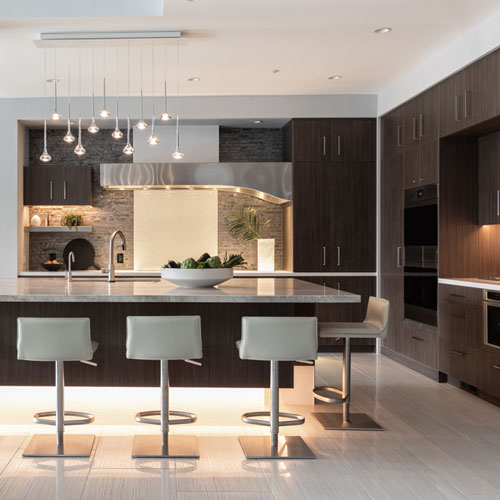
A kitchen remodel transforms one of the most-used spaces in your home, updating everything from cabinets and countertops to appliances and flooring to create a more functional, beautiful cooking environment. Whether you’re planning a complete kitchen renovation or targeting specific updates like new cabinetry and quartz countertops, this guide walks you through every phase of the project.
This content covers full kitchen renovations involving structural changes, partial updates focused on specific elements, and cabinet refacing for cosmetic improvements. Basic repairs and appliance-only replacements fall outside this scope. Homeowners planning kitchen updates—whether first-time renovators or experienced DIYers looking to maximize investment value—will find actionable guidance for every budget level.
Direct answer: Kitchen remodeling involves updating layout, cabinets, countertops, appliances, and finishes to improve functionality and aesthetics, typically taking 6-12 weeks and costing $15,000-$50,000 for moderate projects, with full kitchen remodel costs reaching $100,000+ for luxury custom work.
By the end of this guide, you will:
- Understand different remodel types and their associated costs
- Create an efficient kitchen layout using proven design principles
- Select durable, quality materials that balance cost and longevity
- Manage contractor relationships and project timelines effectively
- Avoid common pitfalls that lead to budget overruns and design regrets
Understanding Kitchen Remodeling
Kitchen remodeling encompasses comprehensive renovation of your cooking space, including layout reconfiguration, cabinet installation or refacing, countertop replacement, appliance upgrades, and aesthetic updates to flooring, lighting, backsplash, and paint. This process can involve structural changes like relocating walls, plumbing, or electrical systems to create your dream kitchen.
For homeowners, a well-executed remodel delivers increased home value (typically 60-80% ROI), improved daily functionality that reduces meal prep time by 20-30%, and enhanced lifestyle quality for cooking and entertaining.
Full Kitchen Renovation vs. Partial Updates
A complete kitchen renovation involves gutting the entire kitchen down to the studs, allowing for maximum customization of layout, systems, and finishes. This approach typically includes relocating the sink, stove, and large appliances, updating electrical circuits to accommodate modern energy efficient appliances, and installing new flooring throughout the space.
Full renovations connect to maximum investment and customization potential. Homeowners pursuing this path can address outdated galley layout configurations, create open concept floor plans by removing walls, and install custom cabinetry tailored precisely to their storage needs. Costs range from $50,000 to $100,000+, with timelines of 8-12 weeks for completion.
Cabinet Refacing and Cosmetic Updates
Cabinet refacing maintains your existing cabinet boxes and layout while replacing doors, drawer fronts, and hardware to achieve a fresh overall look. This approach costs 40-50% less than full cabinet replacement and completes in 2-3 weeks rather than months.
Cosmetic updates build logically from this foundation, including painted cabinets, new countertops, updated backsplash tile, and modern lighting fixtures. These changes can dramatically transform kitchen decor without the disruption of structural work—particularly valuable for older or historic homes where preserving original layout makes practical sense.
Understanding these renovation tiers prepares you for the planning process, where budget, timeline, and project scope intersect to shape your approach.
Kitchen Remodel Planning Process
Successful kitchen renovation depends on thorough planning before any demolition begins. This phase establishes the foundation for material selections, contractor coordination, and realistic timeline expectations.
Budget Development and Cost Estimation
Kitchen remodel costs distribute across categories in predictable patterns: cabinetry claims 25-35% of budget, labor consumes 20-30%, appliances require 15-20%, countertops take 10-15%, and miscellaneous items including permits fill the remaining 10-15%.
For practical planning, moderate kitchen renovation projects range from $25,000-$70,000, with high end cabinets and premium materials pushing costs toward $100,000+. Financing options include home equity loans (typically 5-7% interest), personal loans, or phased project approaches that spread costs over time. Setting aside 20% contingency funds protects against hidden costs common in older or historic homes where unexpected plumbing or electrical issues surface during demolition.
Layout Design and Space Optimization
The work triangle principle positions your sink, stove, and refrigerator in an efficient triangular configuration with 4-9 feet between each point. Modern kitchen designers expand this concept into multiple functional zones for prep, cooking, cleaning, and storage, ensuring pathways remain 36-42 inches wide for comfortable movement.
Layout options include galley layout (two parallel walls maximizing efficiency in narrow spaces), L shaped configurations offering corner flexibility, U-shaped designs providing ample storage along three walls, and island configurations creating central hubs for prep and gathering. For 2026, multifunctional islands incorporating built-in storage, charging stations, and seating for up to four people represent a leading trend.
Storage solutions like lazy susans, pullout drawers, and appliance garages for small appliances like your toaster oven maximize every inch. Open shelving adds visual interest and accessibility for everyday items, though closed cabinets better conceal kitchen clutter—most designers recommend a 60/40 balance.
Timeline and Project Sequencing
Standard kitchen renovation timelines run 6-12 weeks depending on project scope. Permit requirements vary by municipality but typically apply when moving plumbing, electrical, or load-bearing walls. Plan 3-6 months ahead for contractor booking, as skilled trade shortages continue affecting project scheduling into 2026.
Planning phase essentials:
- Allow 1-3 months for design development, mood boards, and material selection
- Obtain 3-5 contractor quotes with detailed written breakdowns
- Verify all permits and inspection requirements before demolition
- Establish clear communication schedules with your contractor
These planning investments directly reduce implementation challenges, creating smoother transitions from design ideas to finished space.
Kitchen Remodel Implementation
With planning complete, implementation follows a systematic sequence that coordinates multiple trades and materials for efficient completion.
Step-by-Step Remodel Process
This systematic approach applies to most full kitchen remodel projects, though partial updates may skip early structural phases.
- Demolition and structural work: Remove existing cabinets, countertops, flooring, and appliances; address any wall modifications including removing sections to create open concept layouts
- Electrical and plumbing updates: Relocate or add circuits for modern appliances (induction ranges require 40-50 amp circuits), move sink plumbing if changing layout, install dedicated lines for large appliances
- Drywall, ceiling, and flooring installation: Complete wall repairs, install ceiling lighting rough-ins, and lay flooring before cabinet installation
- Cabinet installation and countertop measurement: Set new cabinetry or cabinet boxes, verify level and plumb, template countertops for fabrication
- Countertop installation and appliance placement: Install fabricated countertops, connect sink and plumbing, position and connect all appliances
- Backsplash, paint, and final details: Install backsplash tile, complete paint touch-ups, add hardware, and finalize lighting fixtures
Material Selection Comparison
| Material Type | Budget Option | Mid-Range | Premium |
|---|---|---|---|
| Countertops | Laminate ($10-40/sq ft) | Granite ($50-100/sq ft) | Quartz countertops ($70-150/sq ft) |
| Durability | 10-15 years | 25+ years | 25+ years, nonporous |
| Maintenance | Low, but scratches easily | Requires annual sealing | Very low, no sealing |
| Cabinets | Particle board ($100-200/linear ft) | Plywood ($200-350/linear ft) | Custom cabinetry solid wood ($350-500+/linear ft) |
| Longevity | 10-15 years | 15-25 years | 25-30+ years |
| Flooring | Luxury vinyl ($3-7/sq ft) | Porcelain tile ($5-15/sq ft) | Hardwood ($8-25/sq ft) |
| Water Resistance | Excellent | Excellent | Poor near sink |
For most homeowners, mid-range materials balance cost and longevity effectively. Quartz countertops edge granite for maintenance simplicity, offering heat resistance to 300°F without requiring annual sealing. Cabinet selection should prioritize solid construction with soft-close mechanisms—these details affect daily functionality more than door style.
Natural light significantly impacts color palette choices; test samples in your actual kitchen space before committing. Design elements like clean lines and wood grain accents create the warm minimalism trending for 2026, with nature-inspired tones like mushroom, taupe, and clay replacing stark whites.
These material decisions connect directly to common challenges, where wrong choices create lasting regrets.
Common Kitchen Remodel Challenges and Solutions
Even well-planned projects encounter obstacles. Anticipating these issues prevents minor problems from becoming major setbacks.
Budget Overruns and Hidden Costs
Solution: Set aside 20% contingency budget before starting, obtain detailed written estimates breaking down labor and materials separately, and resist scope changes mid-project. When unexpected issues surface—common in older or historic homes where plumbing or electrical doesn’t meet current code—your contingency fund prevents project delays while protecting your credit.
Timeline Delays and Contractor Issues
Solution: Verify contractor licenses and insurance before signing contracts, establish clear communication schedules (weekly site meetings work well), and build 2-3 weeks buffer time into your timeline. Order appliances and countertops early, as supply chain delays can add weeks to your project. Prepare temporary cooking arrangements including a toaster oven and microwave setup, paper plates, and easy access to frozen food during the disruption.
Design Regrets and Functionality Problems
Solution: Create detailed mockups using kitchen design software before committing to layout. Test cabinet heights and depths physically—standard 36-inch countertops may need adjustment for tall or short cooks. Prioritize daily-use functionality over trendy decor: pot racks look beautiful but collect grease, while more kitchen storage in accessible pullout drawers serves most households better.
Consider accessibility features even if not immediately needed: 32-36 inch door widths, lever-style handles, and varied countertop heights support aging-in-place and benefit users of all abilities.
These solutions prepare you for successful project completion and long-term satisfaction.
Conclusion and Next Steps
Successful kitchen remodeling requires careful planning, realistic budgets with appropriate contingencies, quality material selections, and strong contractor relationships. The investment—whether a $20,000 cosmetic refresh or a $100,000 complete kitchen renovation—delivers lasting returns through improved daily functionality, enhanced home value, and a new kitchen that supports your lifestyle for decades.
Immediate next steps:
- Measure your kitchen space and create a prioritized wish list separating must-haves from nice-to-haves
- Research local contractors and request 3-5 detailed quotes with references
- Visit showrooms to see countertops, cabinetry, and flooring in person—photos don’t capture texture and color accurately
- Finalize budget including 20% contingency and establish timeline before starting any work
Related topics worth exploring include bathroom remodeling (many contractors offer package pricing), home addition planning for expanding total square footage, and current interior design trends featuring eco friendly materials and energy efficient appliances that reduce utility costs 15-25% annually.
Additional Resources
- Kitchen design software: Free tools from IKEA, Home Depot, and Lowe’s allow 3D layout planning and reduce errors by 40%
- Contractor vetting checklist: License verification, insurance certificates, detailed written contracts, and reference checks
- Material cost calculators: Budget planning worksheets breaking down costs by category
- Permit databases: Local building department websites listing requirements for electrical, plumbing, and structural changes
- Measurement guides: Standard dimensions for appliance clearances, cabinet depths, and traffic flow requirements