

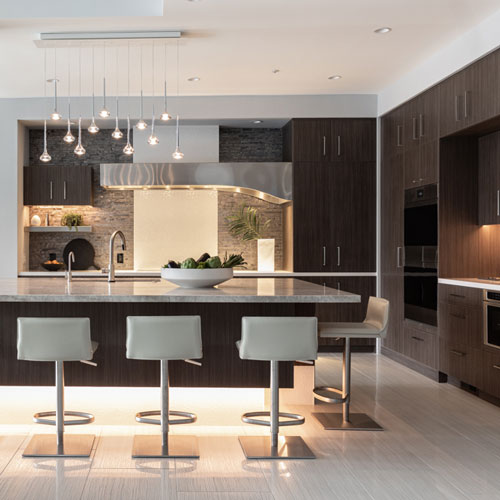

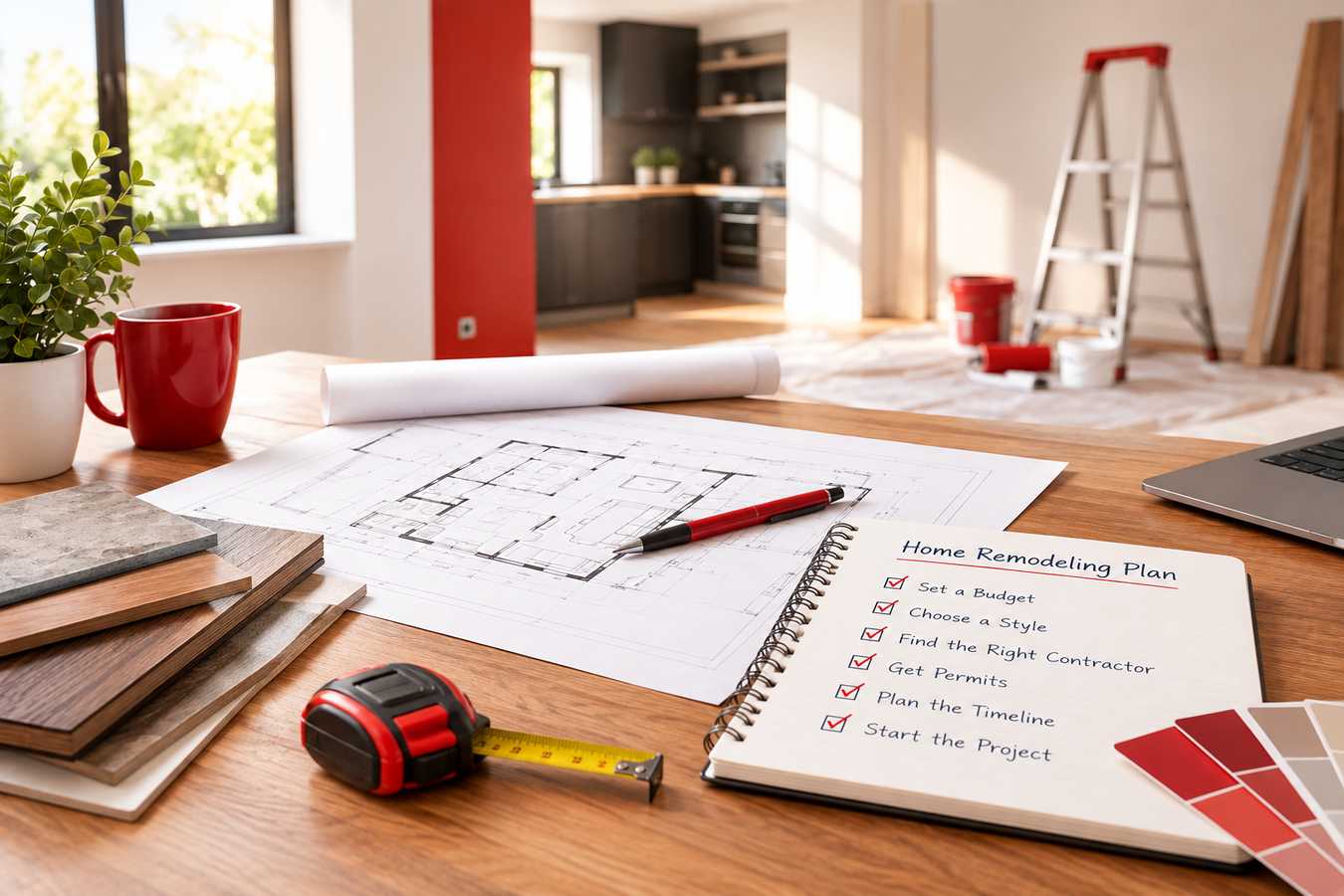
Planning a home remodeling project can be exciting. You finally get the chance to turn that outdated kitchen into something you actually enjoy cooking in, create a more functional bathroom, or completely change the way your home feels.
But remodeling is also a major project. Without a clear plan, costs can quickly increase, timelines can become frustrating, and small decisions can turn into major headaches.
The good news? A well-planned remodel is much easier to manage. Whether you’re updating one room or renovating several areas of your home, taking the time to plan ahead can help you stay organized, make better decisions, and get the results you want.
Here’s how to plan your home remodeling project from the beginning.
Decide What You Want to Change
Before thinking about paint colors, flooring, or cabinets, start with the bigger picture.
Walk through your home and identify what isn’t working for you. Maybe your kitchen doesn’t have enough storage. Perhaps your bathroom feels cramped, or your living room layout doesn’t fit the way your family uses the space.
Make a list of everything you’d like to improve.
Then separate your ideas into two categories:
- Must-haves: Changes that are important to the project.
- Nice-to-haves: Improvements you’d like if your budget allows.
This simple step can help you prioritize your project instead of trying to do everything at once.
Set a Realistic Remodeling Budget
Budgeting is one of the most important parts of planning a remodel.
Start by determining how much you’re comfortable spending. Then research the potential costs of the work you’re considering. Keep in mind that remodeling costs can vary significantly depending on the size of the project, materials, labor, structural changes, and other factors.
It’s also smart to set aside additional money for unexpected expenses.
Older homes, for example, can sometimes have hidden issues behind walls, under floors, or around plumbing and electrical systems. A contingency budget gives you some flexibility if something unexpected comes up.
Instead of planning to spend every dollar available, leave some room for surprises.
Determine the Scope of the Project
Once you have a budget, define exactly what the remodeling project will include.
For example, a kitchen remodel might involve:
- New cabinets
- Countertops
- Flooring
- Lighting
- Appliances
- Plumbing changes
- Painting
- A new kitchen layout
A bathroom renovation could include a new shower, vanity, flooring, lighting, fixtures, and storage.
Writing down the scope of work makes it easier to communicate your expectations to contractors and helps prevent the project from gradually becoming much larger than you originally planned.
Think About Function Before Appearance
It’s easy to get caught up in the fun part of remodeling, choosing colors, finishes, fixtures, and styles.
But functionality should come first.
Think about how you actually use the space every day. Where do you need more storage? Is there enough lighting? Does the current layout make sense? Are there areas that feel difficult to access?
For example, a beautiful kitchen isn’t much help if there isn’t enough counter space or the refrigerator is positioned far away from the main work area.
A successful remodel should look good, but it should also make your home easier and more comfortable to live in.
Create a Design Plan
Once you know what you want to accomplish, start developing your design.
Collect inspiration from places like home design websites, magazines, and social media. Save photos of rooms, materials, colors, cabinets, flooring, fixtures, and other features you like.
Creating an inspiration board can help you identify a consistent style.
You should also consider how your new space will fit with the rest of your home. A modern kitchen may look great on its own, but if the rest of your home has a completely different style, the transition may feel awkward.
Think about the overall look rather than focusing on individual items.
Choose the Right Remodeling Contractor
Unless you’re handling a small DIY project, choosing the right contractor is one of the most important decisions you’ll make.
Don’t choose a contractor based solely on the lowest price. Look at their experience, previous projects, communication, reputation, and understanding of your type of remodel.
Ask potential contractors questions such as:
- How long have you been remodeling homes?
- Have you completed projects similar to mine?
- Who will manage the project?
- What is included in the estimate?
- What is the expected timeline?
- How are unexpected changes handled?
- What permits will be required?
A good contractor should be willing to explain the process clearly and answer your questions.
Understand Permits and Regulations
Some remodeling projects require permits, particularly when you’re making structural, electrical, plumbing, or other significant changes.
Permit requirements vary depending on your location and the type of work being performed.
Your remodeling contractor should be able to explain which permits may be necessary and help coordinate the process when applicable.
Handling this correctly from the beginning can help prevent delays and potential problems later.
Plan Your Materials Carefully
Material selection can have a major impact on both your budget and the final appearance of your remodel.
Don’t wait until construction begins to choose everything.
Decide on important materials and finishes ahead of time whenever possible, including flooring, cabinets, countertops, tile, fixtures, doors, lighting, and paint.
Some materials may have longer lead times than others. Ordering important items early can help prevent unnecessary delays during construction.
At the same time, don’t feel pressured to choose the most expensive option for everything. A good remodeling plan balances quality, durability, appearance, and budget.
Prepare for the Construction Process
Even a well-organized remodel can temporarily disrupt your normal routine.
Depending on the project, you may have to deal with dust, noise, workers coming and going, limited access to certain rooms, or temporary changes to your daily routine.
Before construction starts, talk with your contractor about what you should expect.
If you’re remodeling your kitchen, for example, decide where you’ll prepare meals while the kitchen is unavailable. If you’re renovating a bathroom, determine whether you’ll have access to another bathroom during construction.
A little preparation can make the process much less stressful.
Stay Flexible
One of the most useful things you can bring to a remodeling project is realistic expectations.
Even with careful planning, unexpected issues can happen. Materials may be delayed, hidden problems may be discovered, or you may decide that a particular design choice doesn’t work once you see it in person.
Try to stay involved without micromanaging every step.
Keep communication open with your contractor, ask questions when something isn’t clear, and address concerns early rather than waiting until the project is nearly finished.
Conclusion
A successful home remodeling project starts long before construction begins. Defining your goals, establishing a realistic budget, planning the design, selecting the right materials, and working with an experienced contractor can make the entire process more organized and predictable.
If you’re ready to turn your remodeling ideas into a finished space, Red Rock Construction & Remodel can help. Our team works with homeowners to plan and complete remodeling projects with attention to quality, functionality, and craftsmanship. From the initial ideas to the finishing touches, we can help make your vision for your home a reality.
Ready to start planning your remodel? Contact Red Rock Construction & Remodel today to discuss your project and take the first step toward creating a home you’ll love.