
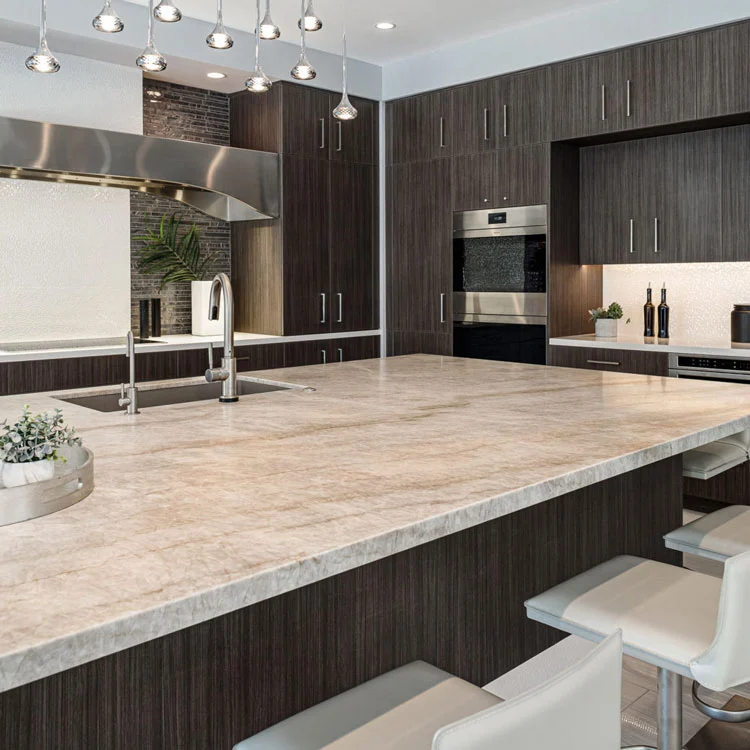
Remodeling your kitchen is one of the most rewarding home remodel projects you can take on. It’s where meals are made, conversations happen, and memories unfold. A kitchen remodel not only enhances daily living but also adds long-term value to your home. While the process can seem complex, understanding each stage can make it more manageable and even enjoyable.
A kitchen remodel makes a significant impact on how you enjoy your home. Whether you’re updating appliances or changing the layout, a kitchen remodel is essential for modern living.
Planning and Budgeting
As you embark on your kitchen remodel journey, consider how your choices will affect your daily life.
Every remodel begins with a plan. Ask yourself what you want to achieve: improved functionality, more storage, a fresh look, or perhaps a total reconfiguration of space. Identifying your goals helps define the scope, whether it’s a surface-level update or a full gut renovation.
Next comes budgeting. Costs can vary dramatically depending on location, materials, and labor. A modest update might cost under $20,000, while high-end, full-scale remodels can run $100,000 or more. A good rule of thumb is to set aside 10 to 20 percent of your budget as a contingency for unexpected expenses. It’s also wise to consult with a professional early in the process. Designers and contractors can help you match your vision to your budget and avoid common pitfalls.
Design and Layout
During a kitchen remodel, the layout should reflect how you cook and interact in the space.
Key Considerations for a Successful Kitchen Remodel
Investing in a kitchen remodel can significantly enhance both aesthetics and functionality.
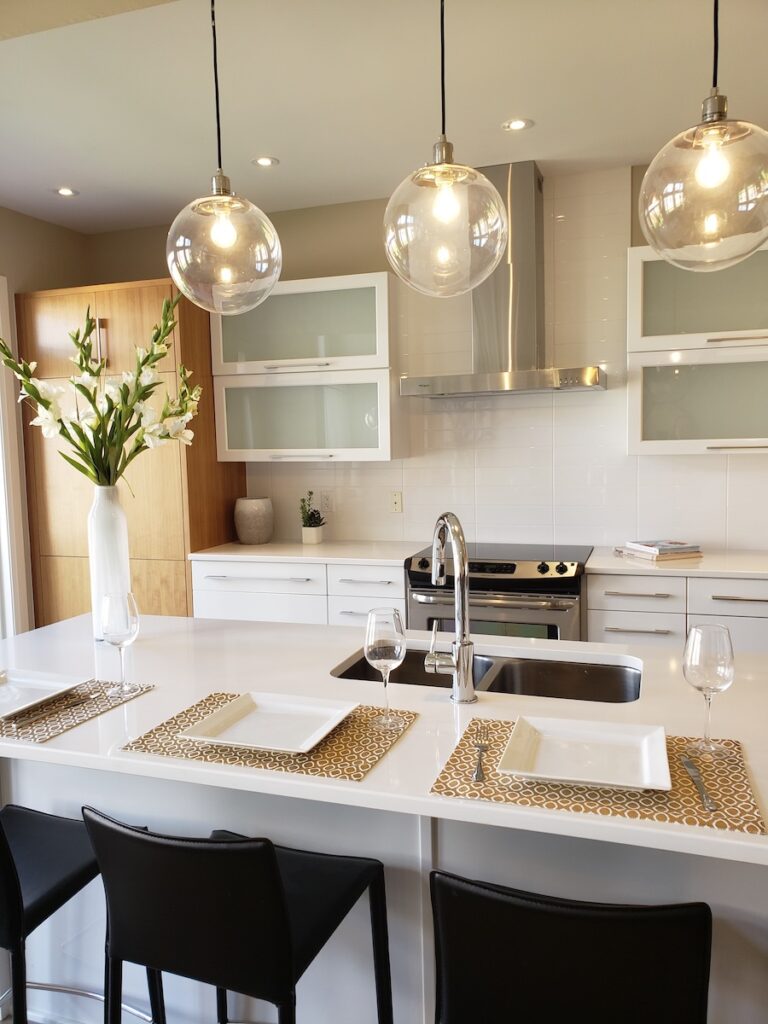
Once your goals and budget are in place, the design process begins. This is where you’ll make decisions about layout, flow, and style. One popular principle is the “kitchen work triangle” which is the optimal positioning of the stove, sink, and refrigerator. A good layout minimizes unnecessary movement and maximizes efficiency.
Choosing the right materials is crucial to the success of your kitchen remodel.
You’ll decide where appliances go, how cabinets are configured, where lighting is needed, and what kind of storage solutions will work best. If you’re changing the kitchen’s footprint – say, opening it to another room or adding square footage – this phase may involve architectural planning and permits.
Working with a kitchen designer can be especially valuable here. They’ll help you create a space that balances beauty with utility, tailored to how you cook, clean, and gather.
Selecting Materials and Fixtures
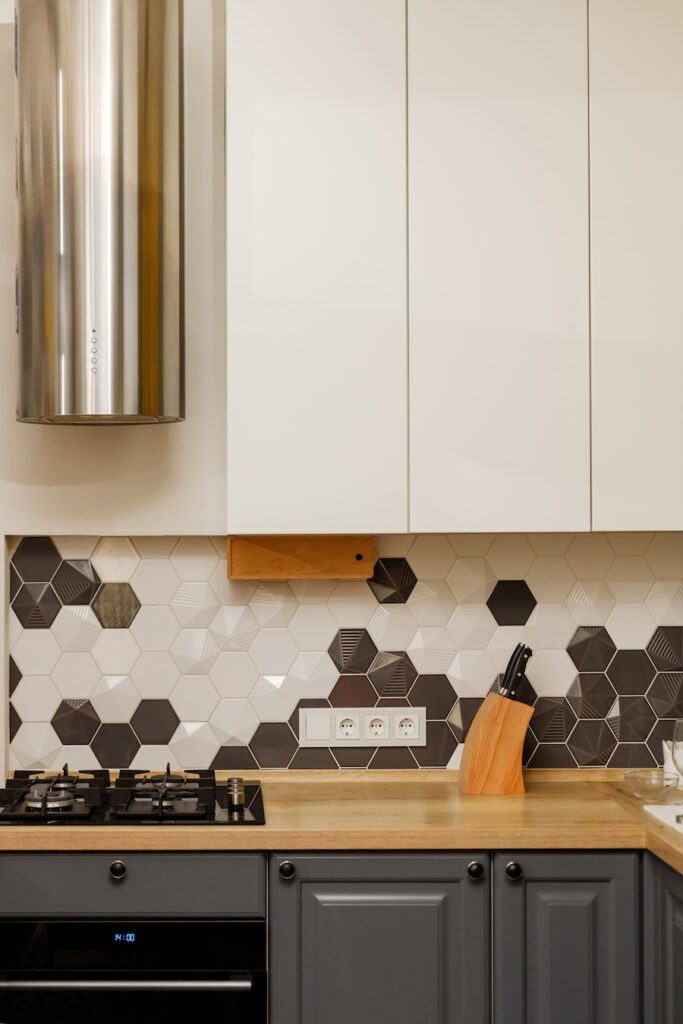
This is one of the most creative parts of the process, where the visual identity of your kitchen begins to take form. You’ll choose:
- Cabinetry: From stock to semi-custom to fully custom options, materials range from solid wood to laminate with countless finishes.
- Countertops: Quartz is popular for its durability and look, while granite, marble, butcher block, and newer composites each have their own strengths.
- Flooring: Tile, hardwood, engineered wood, and vinyl are all viable choices, depending on your lifestyle and maintenance preferences.
- Backsplash: Whether it’s classic subway tile or a bold mosaic, this detail can elevate your overall design.
- Lighting: Layered lighting is key—task lights under cabinets, ambient lighting from recessed or pendant fixtures, and accent lights for style.
- Appliances: The layout should accommodate appliance dimensions and clearances. Choosing energy-efficient models can also lower long-term costs.
These selections shape the aesthetics, but also impact the timeline. Some materials, especially custom items, may have longer lead times, so ordering early is essential.
Demolition and Rough-In Work
These materials will play a vital role in the overall success of your kitchen remodel.
With the design finalized and materials on order, demolition begins. This may involve removing old cabinets, flooring, appliances, or even knocking down walls. It’s a messy but necessary phase, and your kitchen will be out of commission for a while. Some homeowners set up a temporary cooking station in another part of the house to stay functional during the remodel.
Demolition is a significant step in the kitchen remodel process, allowing you to start fresh.
The rough-in work creates the foundation for your new kitchen remodel.
Following demolition, the “rough-in” phase begins. This includes electrical wiring, plumbing, gas lines, and HVAC adjustment – essential infrastructure that supports your new layout. Inspections are often required at this stage to ensure everything is up to code.
With installation, your vision for the kitchen remodel starts to come to life.
Final touches in your kitchen remodel ensure everything fits perfectly and looks stunning.
Installation and Finishing Touches
After the final inspection, you can fully enjoy your new kitchen remodel.
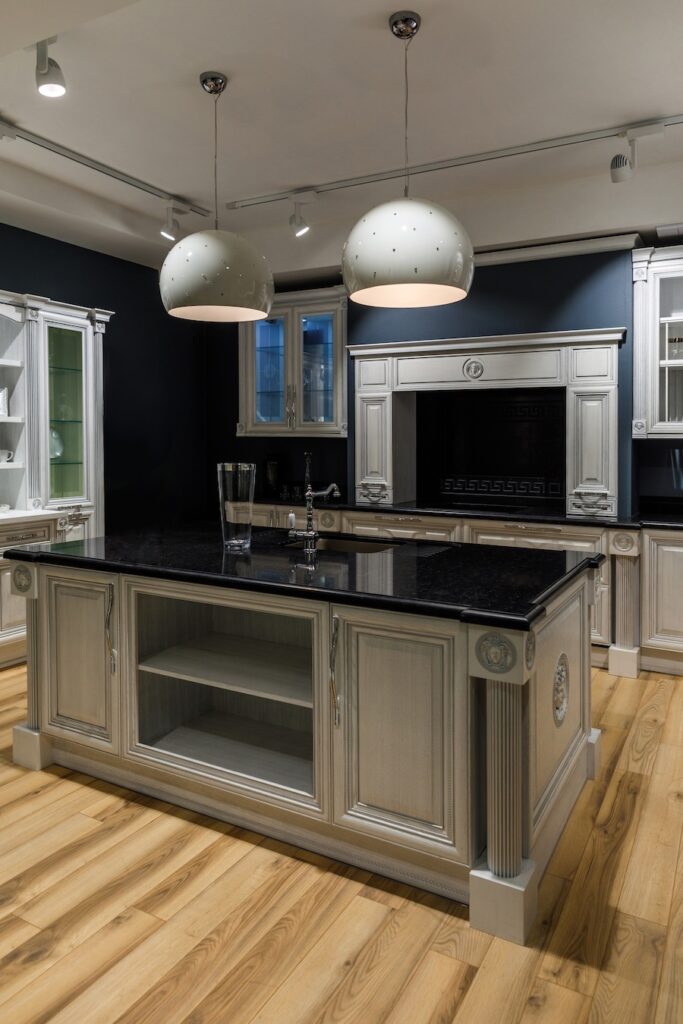
Once the behind-the-scenes work is done, the kitchen starts to come together. Installation begins with drywall and painting, followed by cabinetry, countertops, and flooring. Fixtures like sinks and lighting are added next, and finally, appliances are set in place and connected.
A successful kitchen remodel transforms your home into a more functional and attractive space.
Small details matter here, like aligning cabinet doors, sealing tile edges, and ensuring paint touch-ups. Your contractor will typically generate a punch list near the end to address any last tweaks or imperfections.
Final Steps and Enjoying Your Kitchen
If your remodel required permits, a final inspection will be scheduled before you can fully use your new kitchen. Once approved, you’re free to settle in, cook, and enjoy the space.
It’s a good time to review care guidelines for new surfaces, register appliance warranties, and keep a list of contact info in case any adjustments are needed later. And of course, it’s the perfect time to celebrate your updated space with a dinner party, casual brunch, or quiet coffee in your new favorite room.
A kitchen remodel is more than just new cabinets and countertops, it’s a reinvestment in your home and lifestyle. It involves planning, coordination, and patience, but the payoff is a beautiful, functional space that suits your daily needs and personal style.
By understanding what each phase entails and working with experienced professionals, you can turn your dream kitchen into a reality – one thoughtful decision at a time.